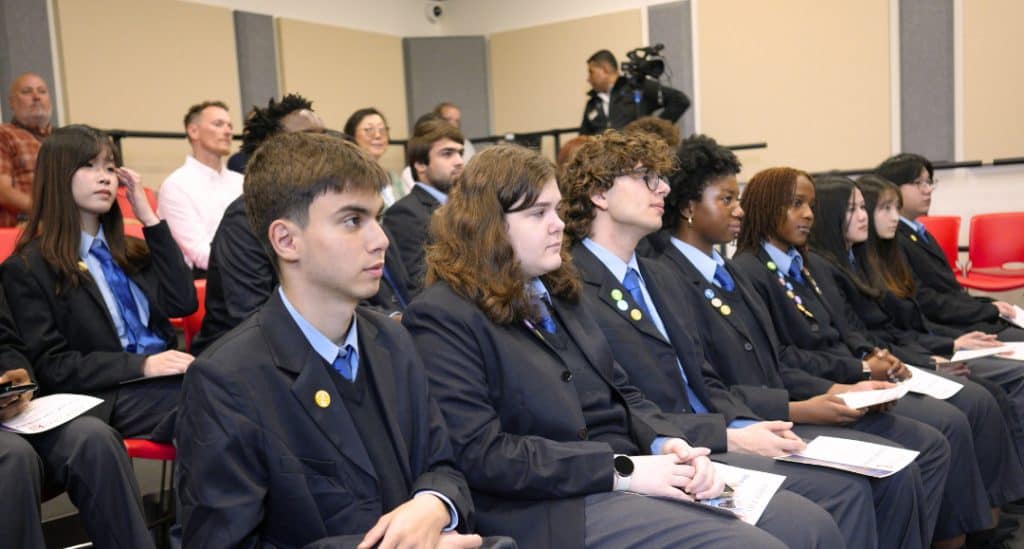
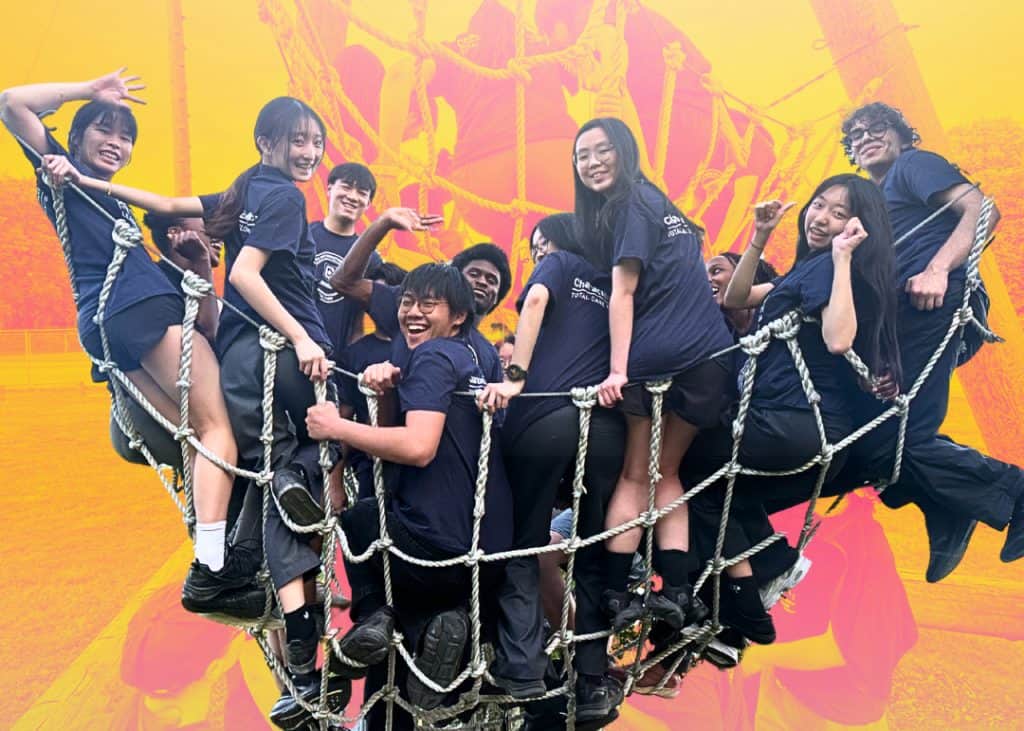
Members of the Columbia International College (CIC) Student Leadership Team just completed an intensive, experiential training program at the McMaster Altitude facilities, participating in high-altitude outdoor challenges designed to foster resilience, teamwork, and personal growth.
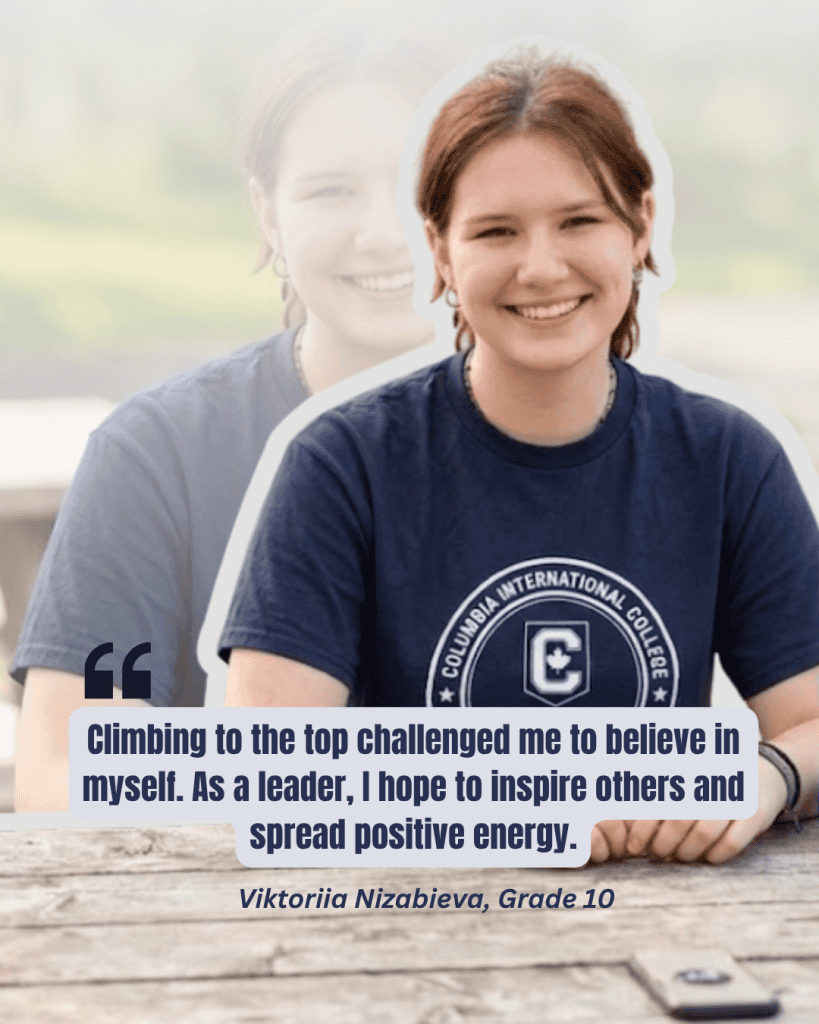
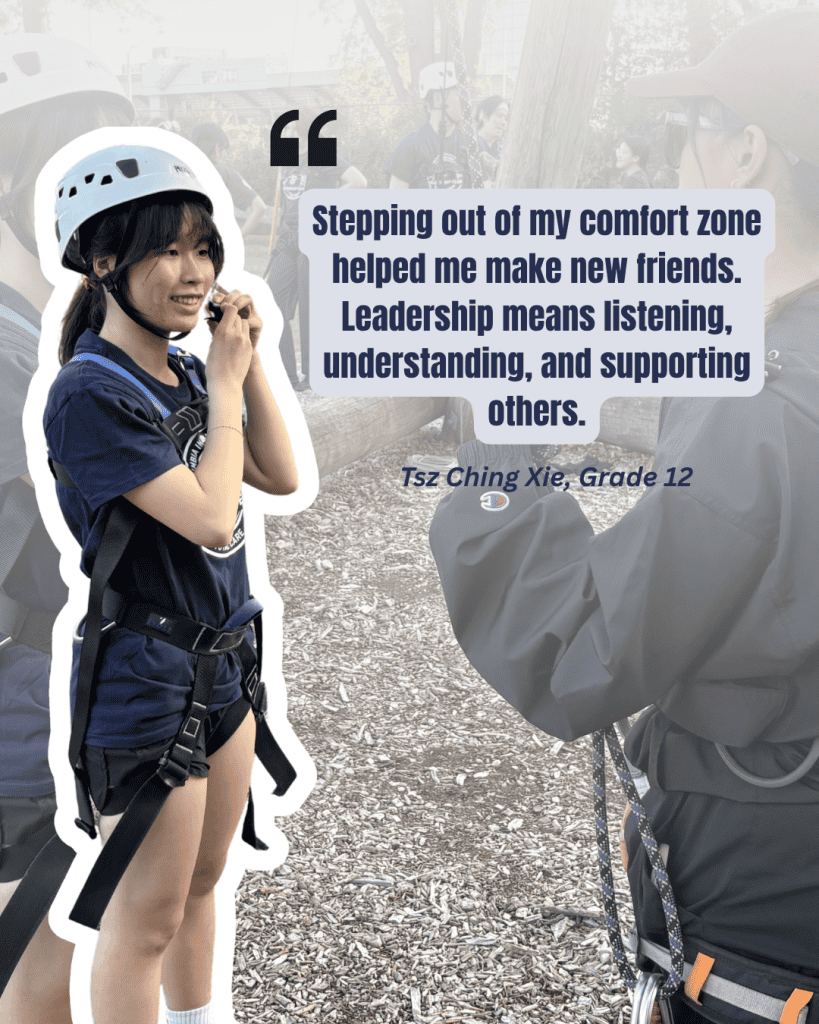
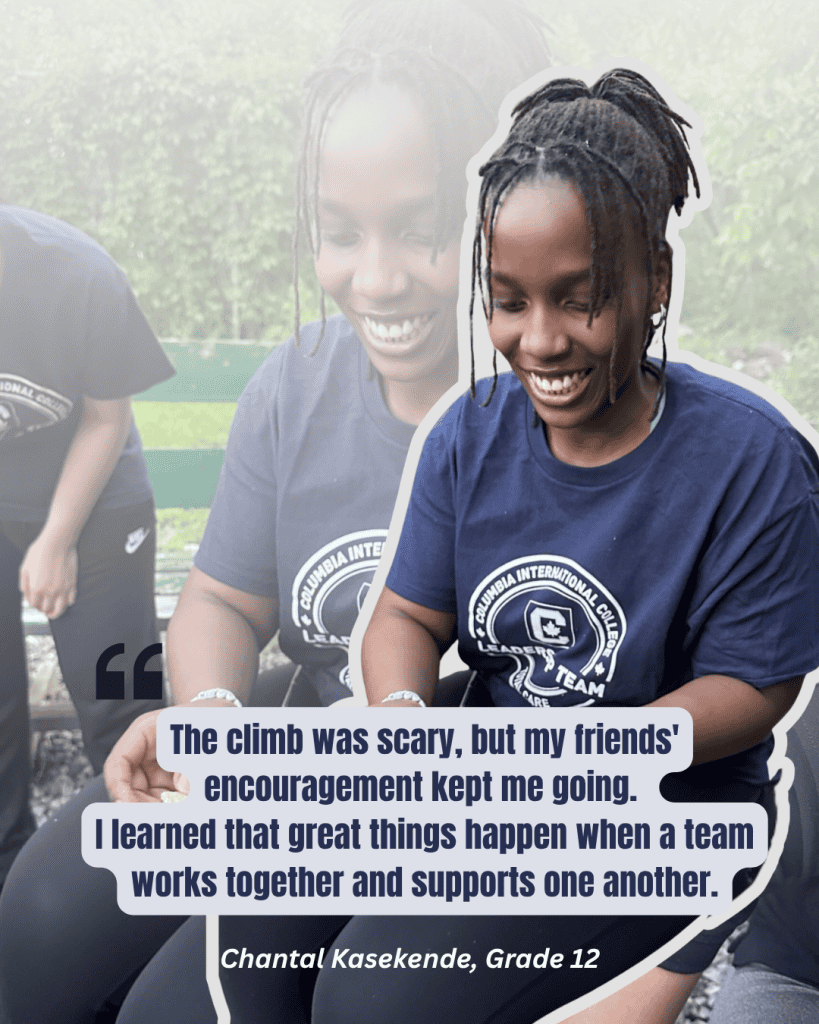
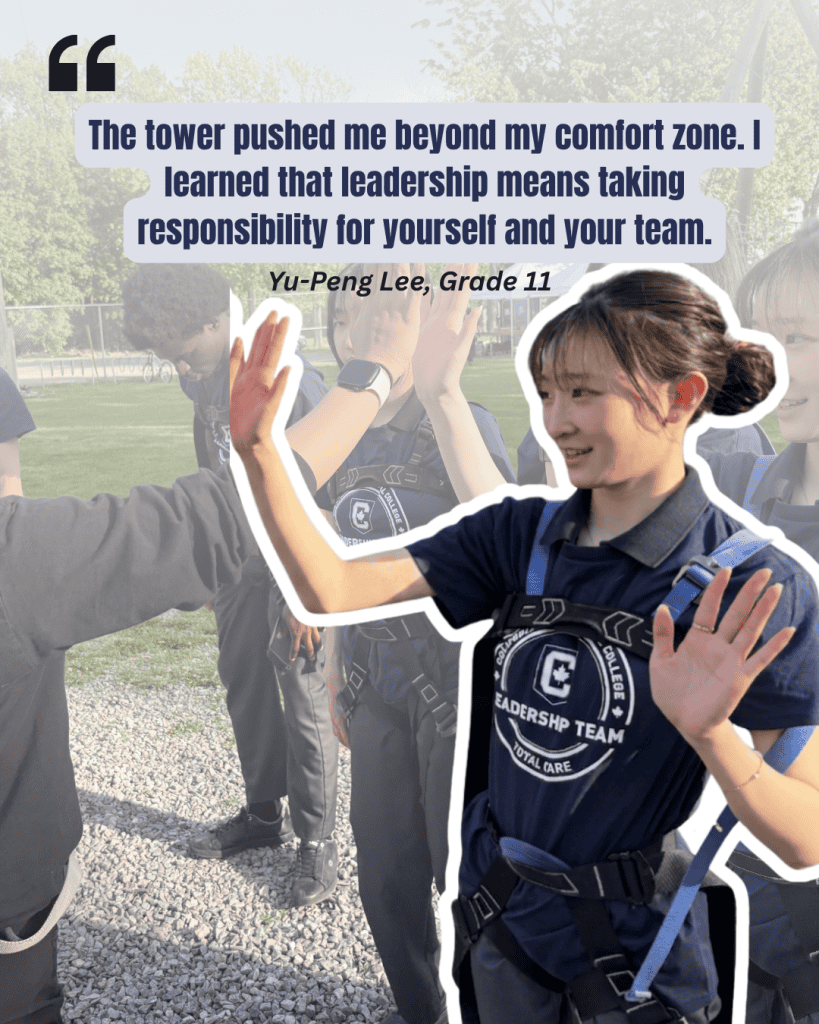
The retreat pushed student leaders out of their comfort zones, requiring them to navigate physical obstacles and high-ropes courses situated 50 feet above the ground.
Overcoming Obstacles Through Personal Courage
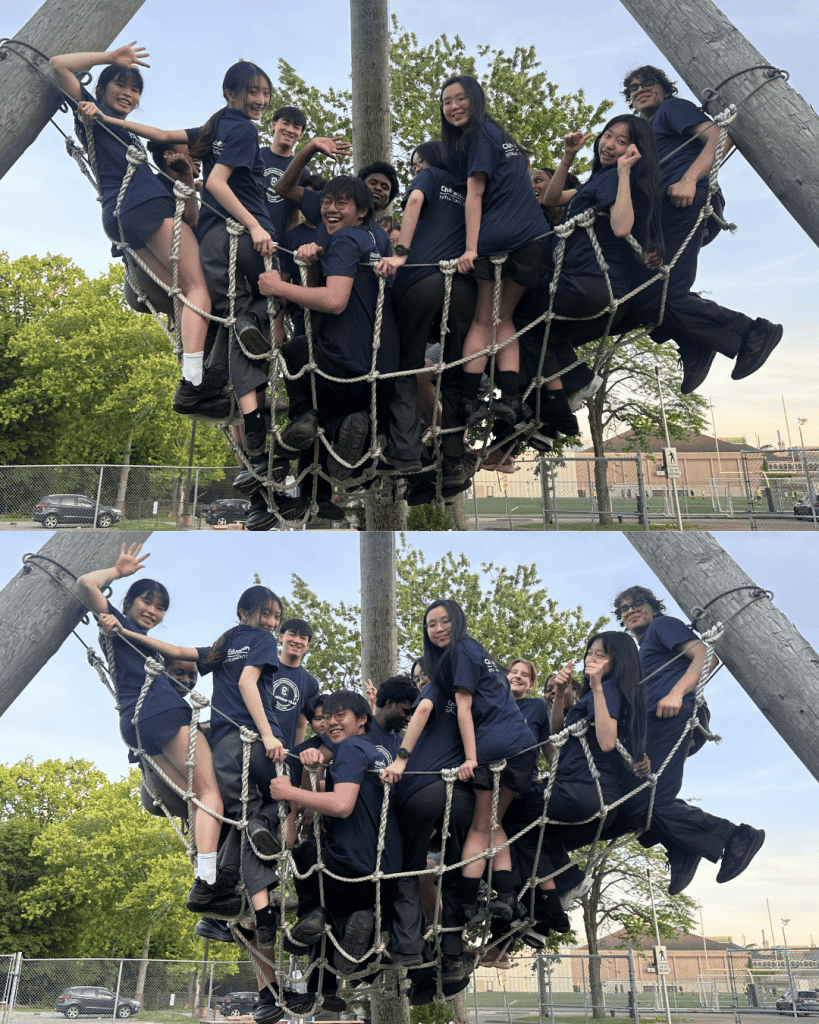
The high-altitude climbing course served as a practical test of mental fortitude. Many participating students had to directly confront a fear of heights or navigate moments of self-doubt. By committing to complete the course, the student leaders developed hands-on experience in personal perseverance, discovering that courage is built through active decision-making under pressure.
Peer Support and Collaborative Problem-Solving
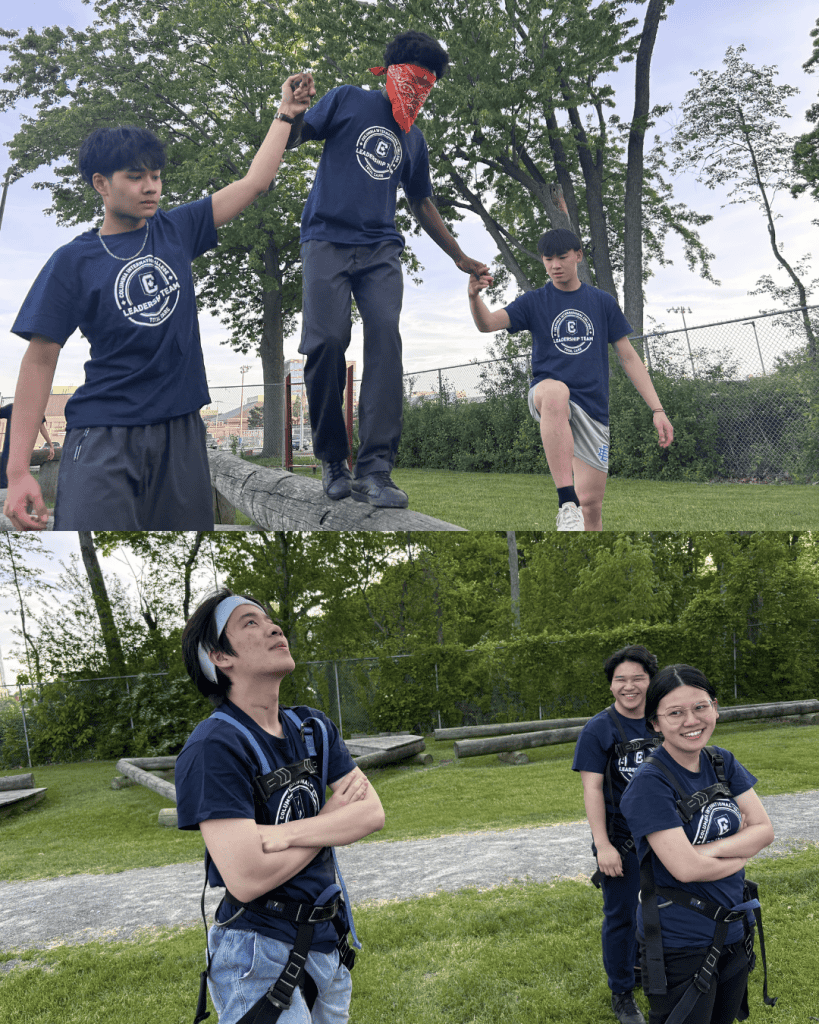
A central focus of the retreat was transitioning individual effort into collective success. No student climbed in isolation; instead, peer safety teams on the ground and on the platform provided active encouragement and navigation guidance.
Through these trust-based challenges and structured team missions, participants practiced core leadership principles:
- Active Encouragement: Uplifting peers during moments of physical and mental fatigue.
- Collaborative Safety: Relying on peer-led safety protocols and spotter communication.
- Shared Leadership: Understanding that leadership is defined by standing alongside team members during challenging situations rather than working in isolation.
Building a Cohesive Team Culture
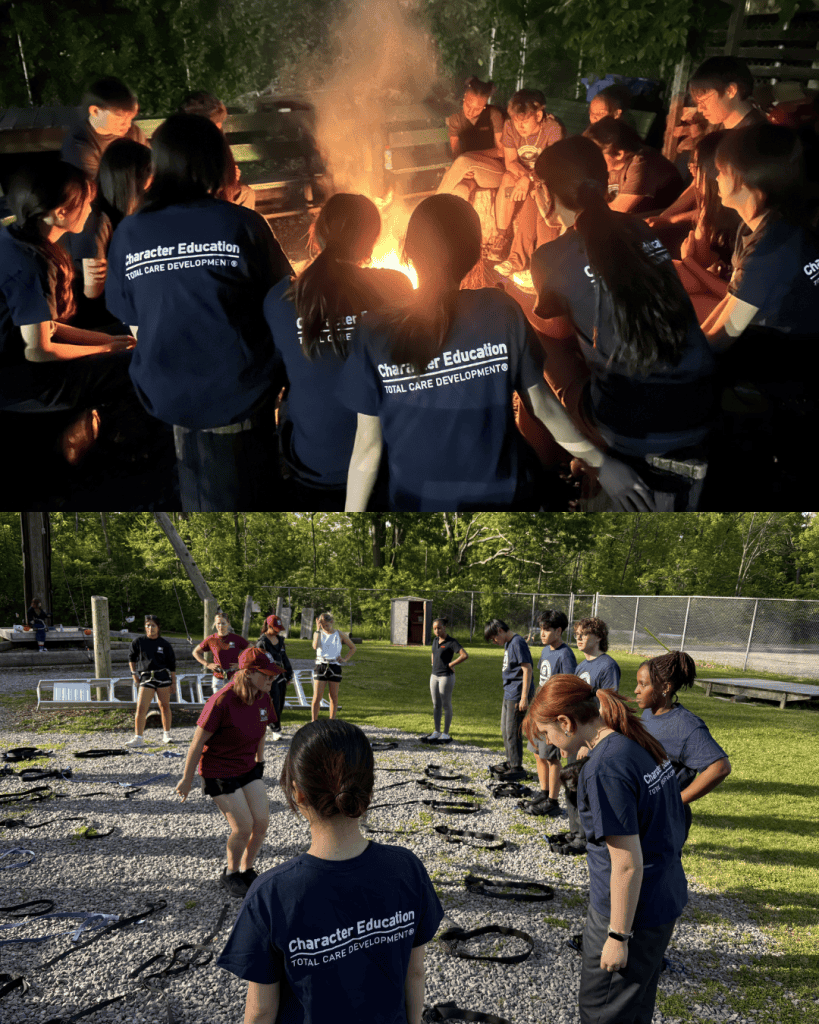
The retreat concluded with cooperative team-building exercises and reflective conversations around a bonfire. This transition from high-stakes physical tasks to informal, shared storytelling allowed the newly formed Student Leadership Team to build authentic personal connections, practice deep listening, and establish mutual trust.
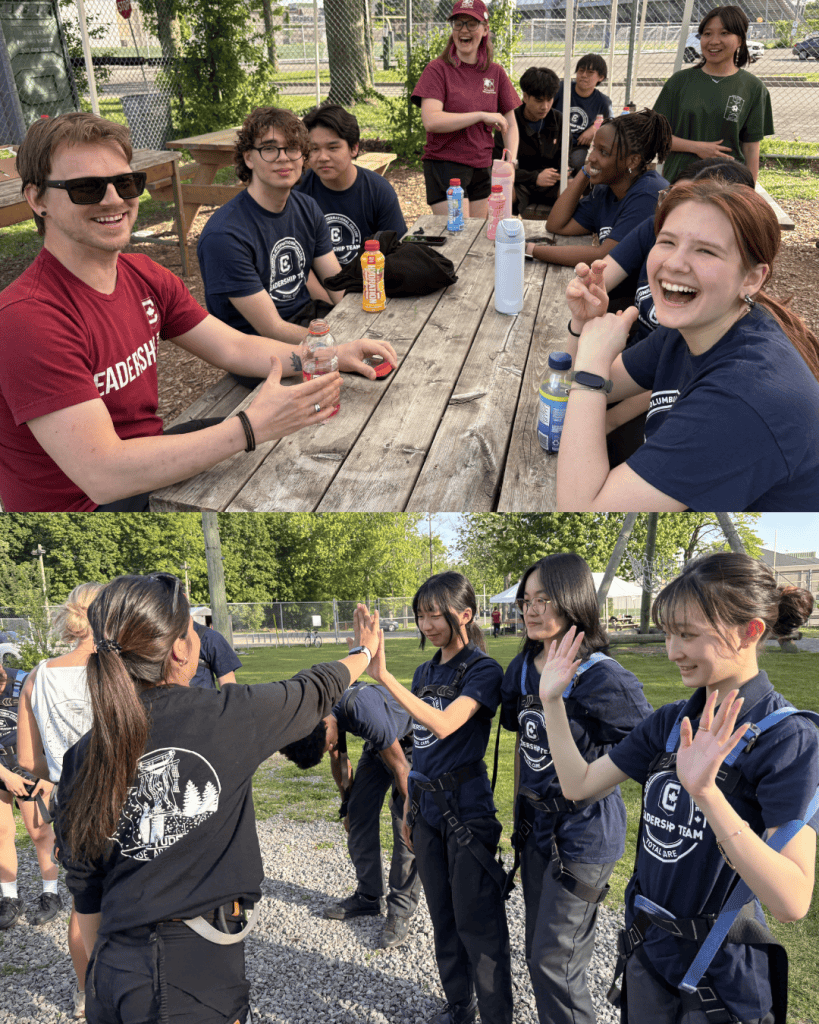
The CIC Philosophy on Leadership: At Columbia International College, leadership development is integrated into experiential, real-world scenarios. By moving beyond classroom theory, the program aims to cultivate practical confidence, empathy, and resilience, preparing student leaders to actively support their campus community throughout the academic year.